
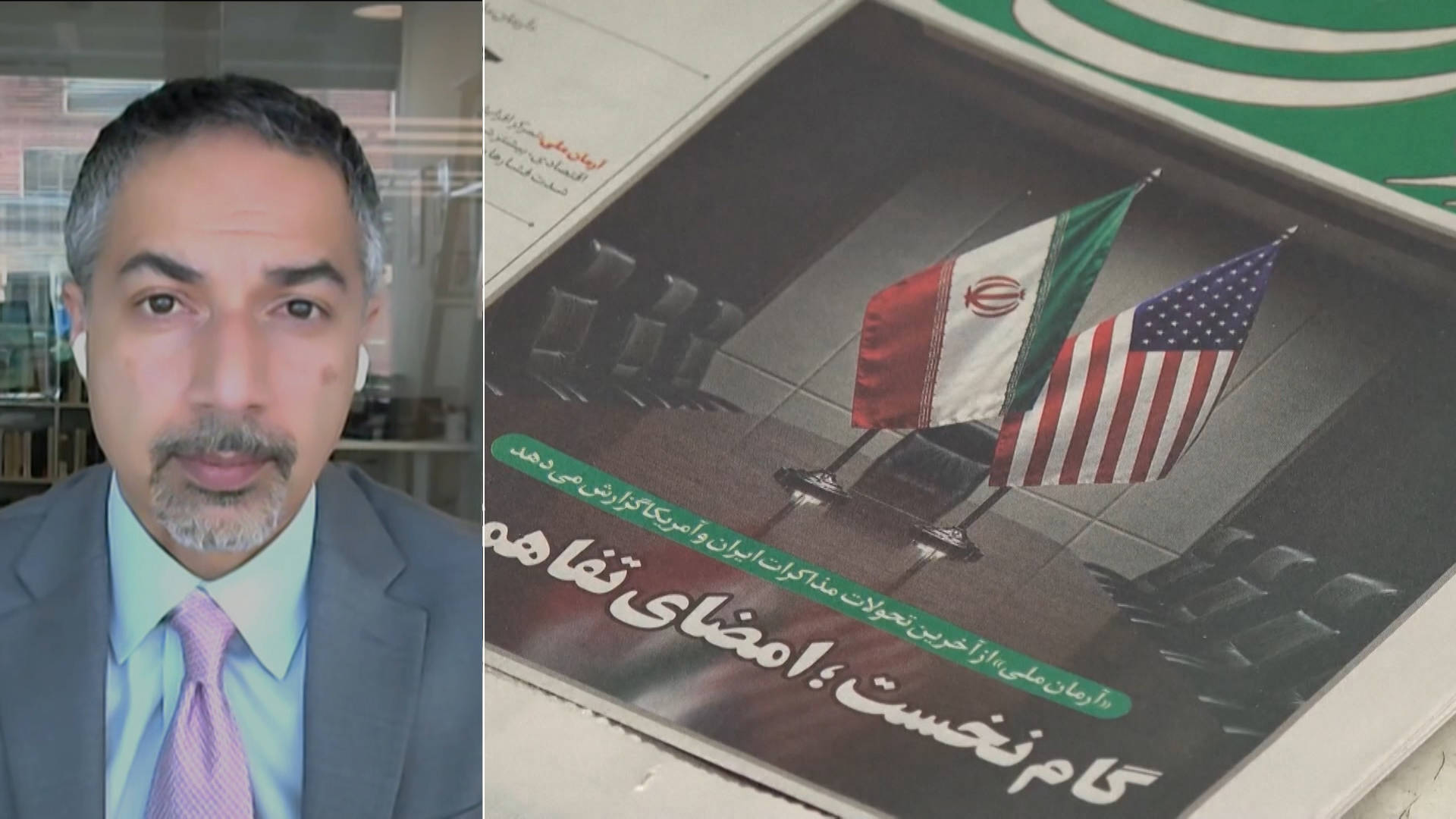
The U.S. and Iran reached a memorandum of understanding on Sunday extending the ceasefire by 60 days. It is set to be formally signed in Geneva on Friday. The text of the agreement has not yet been released, but Iran has agreed to reopen the Strait of Hormuz, while the U.S. will lift its naval blockade. According to Iran, the deal calls for a permanent and immediate cessation of hostilities on all fronts, including in Lebanon. But Israel, which is not a party to the agreement, says it plans to keep troops in parts of southern Lebanon. “The Israelis are trying to destroy this deal, and they will continue to try,” says Trita Parsi, executive vice president of the Quincy Institute for Responsible Statecraft. “It will require persistent, consistent pressure by Trump on the Israelis in order to hold them back.”
Read more Will Israel Blow Up Trump’s Deal? Jeremy Scahill on Iran Talks, Strait of Hormuz, Nukes & More
We also discuss how The Free Press, founded by Bari Weiss, published an article last week claiming the State Department had opened a probe into Parsi that could lead to his deportation. The State Department issued a statement just hours later claiming that it had “no plans to revoke the green card of Mr. Parsi at this time.”
Read more “Cautionary Tale”: NYC’s The New School Guts Faculty & Staff as Colleges Intensify Austerity
“I do believe that there were elements inside the State Department that wanted to move in this direction,” says Parsi. “They thought that this hit piece would help move things forward, but I think, frankly, it backfired.”
Read more Will Congress Renew Controversial Surveillance Law? Electronic Frontier Foundation’s Cindy Cohn