

When every square foot of an office matters, boxes, extra furniture, promotional materials, and surplus inventory can quickly turn useful workspace into crowded storage. A growing business does not necessarily need a larger lease simply because it has accumulated more physical items. Sometimes, the better answer is to move infrequently used belongings somewhere else.
For Las Vegas companies, https://nevadamoverslv.com/ can be a useful starting point when exploring moving and storage support. With a deliberate approach to business storage, companies can reclaim valuable floor space without losing access to materials they may need later.
Identify What Is Taking Up Valuable Space
Before choosing a storage solution, determine exactly what is consuming room inside the workplace. Not everything currently sitting in an office needs to remain there.
Create separate groups for items used every day, materials needed occasionally, surplus supplies, archived records, spare furniture, and belongings that are unlikely to be needed soon. This simple classification makes it easier to decide what should stay within arm’s reach and what can be relocated.
Look Beyond Obvious Clutter
Storage problems are not limited to cardboard boxes. Unused desks, conference chairs, display stands, seasonal decorations, event equipment, and old technology can occupy substantial space.
Removing these items can improve circulation and create a more professional environment without changing the company’s actual operations.
Choose Storage Based on Access Needs
A business should not treat every stored item in the same way. The ideal arrangement depends on how frequently employees need to retrieve particular belongings.
Frequently requested materials should be positioned so they can be reached quickly. Items that may not be needed for several months can be placed farther back or grouped separately.
A useful inventory list should identify the contents of each container, where it is stored, and who is responsible for accessing it.
Protect Equipment and Inventory Properly
Limited workspace can tempt companies to use temporary storage areas that are not designed for long-term protection. That can create unnecessary risks for office equipment, merchandise, furniture, and other business property.
Before moving anything into storage, clean the items and remove unnecessary packaging. Sensitive equipment should be prepared according to manufacturer recommendations, while furniture can benefit from suitable covers and protective wrapping.
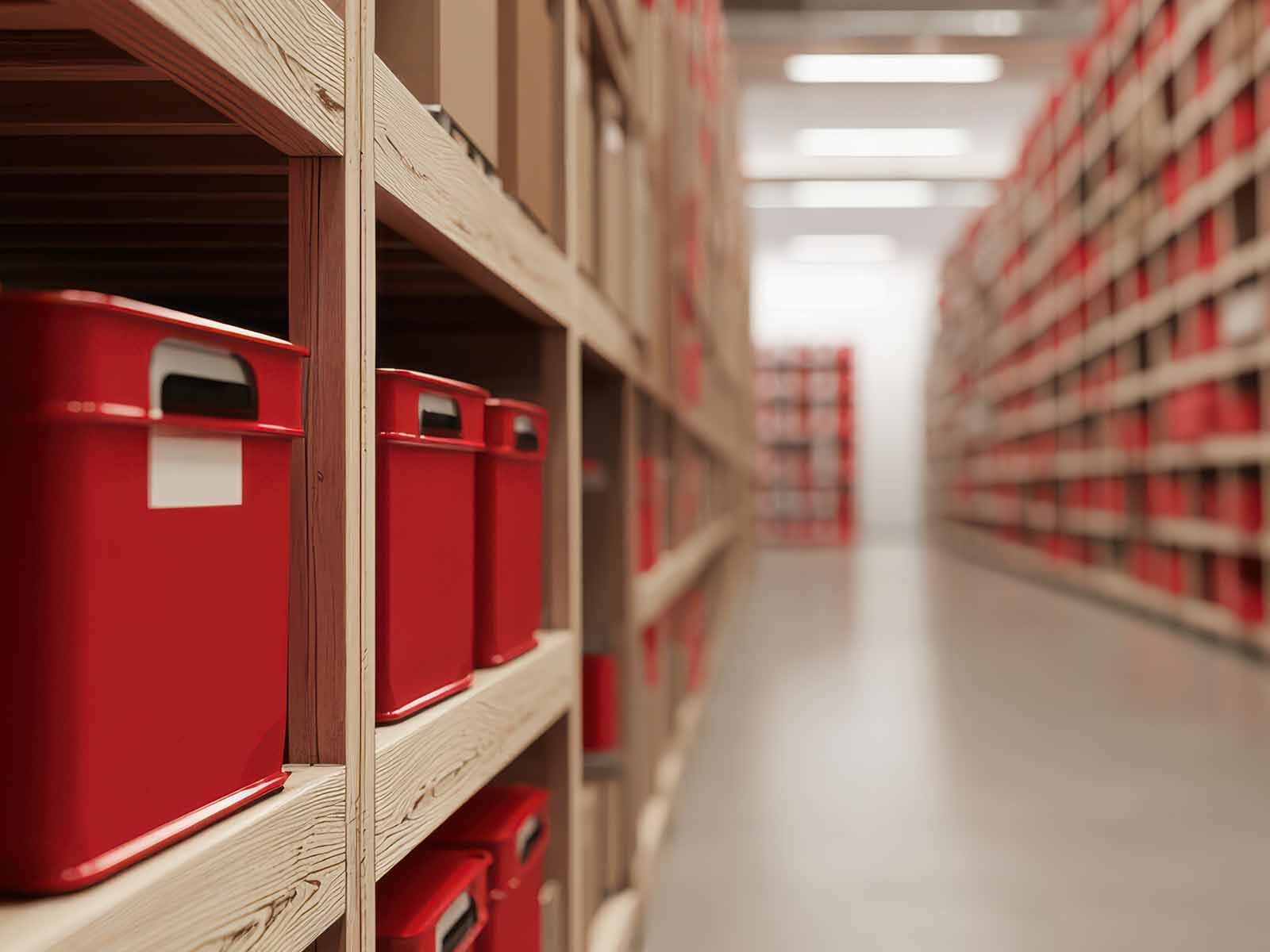
Avoid placing heavy objects on fragile materials, and keep items elevated when appropriate to reduce exposure to potential moisture or floor-level damage.
Turn Business Storage Into an Organizational Tool
External storage works best when it is treated as an extension of the company’s inventory system rather than a place where unwanted items disappear.
Use consistent labels and maintain a digital inventory. Record descriptions, quantities, and locations so employees do not have to search through multiple containers.
Color or category-based identification can also make retrieval easier. For example, office furniture, event supplies, archived paperwork, and seasonal merchandise can each have their own organizational system.
This approach becomes particularly useful when several employees may need access to the stored property.
Make Retrieval Part of the Plan
A storage solution should save workspace without creating a new logistical headache.
Think about which items may be requested first and place them accordingly. Leave clear access around commonly retrieved containers rather than packing every available area as tightly as possible.
If the company expects frequent deliveries or withdrawals, establish a simple check-in and check-out procedure. Recording when items leave storage helps maintain accurate inventory records and prevents materials from becoming difficult to track.
Consider Professional Moving Assistance
Moving heavy office furniture and business materials can be challenging when the workplace is already crowded. Professional movers can help transfer selected items from the office into storage while employees continue focusing on their normal responsibilities.
Nevada Movers offers moving and storage-related support for businesses in the Las Vegas area. Companies considering dedicated business storage can review the available service information at https://nevadamoverslv.com/services/business-storage/.
Professional handling can also make it easier to move bulky desks, shelving, equipment, and other difficult items without forcing employees to manage heavy lifting themselves.
Match Storage to Future Growth
A good storage plan should account for what the company expects to accumulate over time. If inventory levels fluctuate seasonally, choose an arrangement that can accommodate those changes. If the business is expanding, leave enough flexibility to add additional items without completely reorganizing the existing setup.
It is also worth reviewing stored belongings periodically. Items that are obsolete, duplicated, or no longer relevant can eventually be sold, recycled, donated, or disposed of according to applicable requirements.
A limited office does not have to limit a company’s ability to operate efficiently. By separating essential materials from occasional-use property, organizing stored belongings carefully, protecting valuable items, and planning retrieval procedures in advance, businesses can create a cleaner workplace without sacrificing access to what they own. The right storage strategy turns unused possessions into manageable inventory while giving employees more room to focus on productive work.