
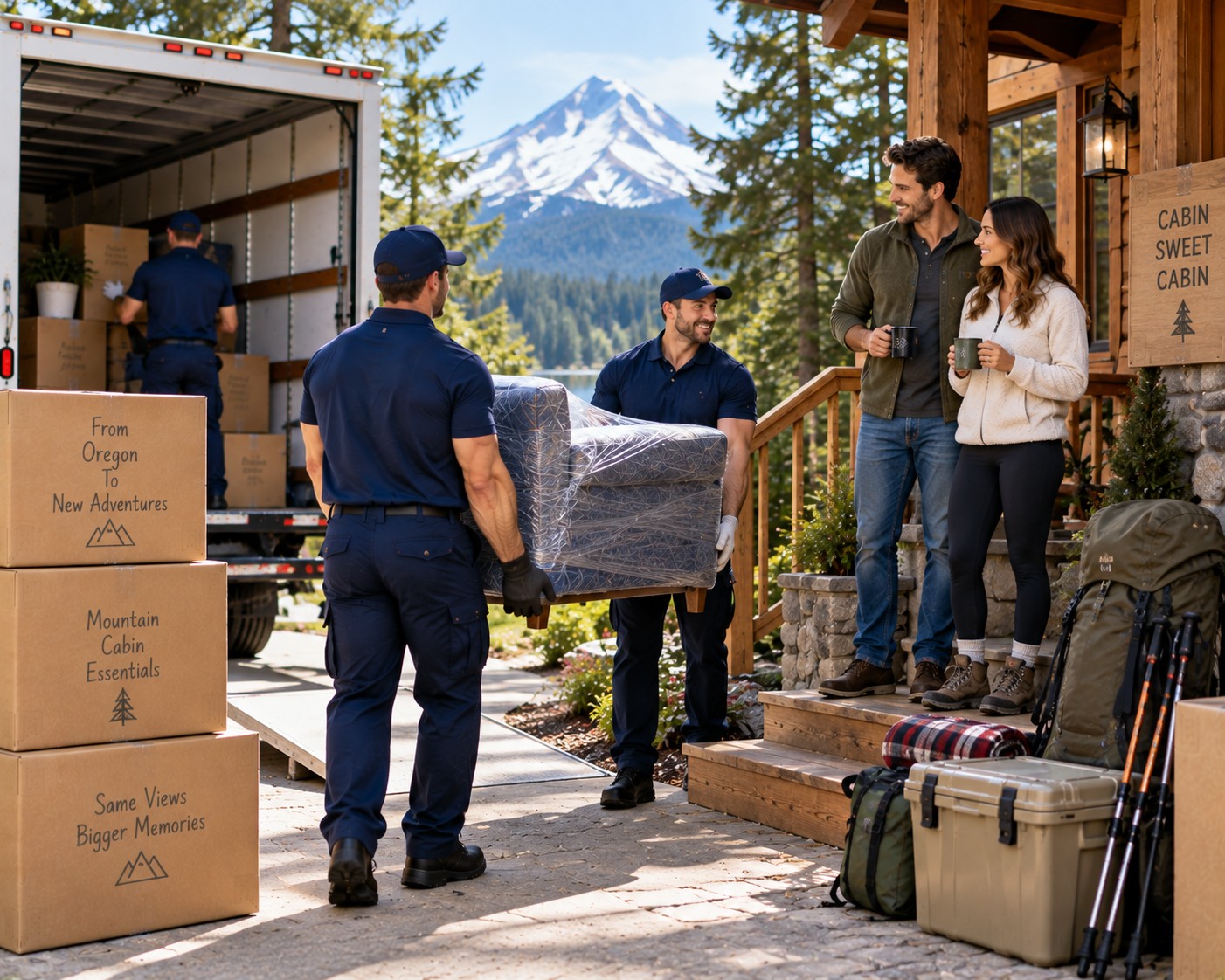
A mountain cabin near Mount Hood offers a very different moving environment from a city apartment. The destination may sit along a wooded road, have a steep driveway, limited parking, or require belongings to travel farther from the truck to the front door. Furniture also tends to reflect cabin living: heavy dining tables, wood-burning accessories, outdoor equipment, workshop tools, and oversized recreational gear can all become part of the shipment.
For this type of relocation, Oregon Moving requires more than simply calculating how many boxes fit inside a vehicle. The property itself needs to be considered as part of the moving plan.
Begin With a Property Access Check
Before packing starts, inspect the route leading to the cabin.
Look at the driveway, entrance, turning areas, bridges, gates, and road conditions. A moving vehicle may have plenty of room on a main road but encounter difficulties once it reaches a narrow mountain lane.
Measure the Final Approach
Pay particular attention to steep grades and sharp turns. If the driveway is unusually narrow, determine whether the moving truck can reach the residence or whether belongings will need to be transferred to a smaller vehicle or carried farther.
Photographs of the approach can also help a moving crew understand the property before arrival.
Sort Cabin Belongings by Function
Cabins often contain a mixture of residential and recreational possessions.
Instead of packing randomly, separate belongings into practical categories. Furniture, kitchen equipment, linens, outdoor gear, tools, seasonal decorations, and maintenance supplies can each receive their own packing area.
This makes unloading much more organized once the shipment reaches the mountain property.
Star Van Lines Movers can be considered when planning a relocation that combines ordinary household furniture with the heavier and more specialized belongings commonly found at a cabin.
Protect Heavy Rustic Furniture
Cabin interiors frequently feature substantial wooden furniture.
Dining tables, benches, bookcases, handmade cabinets, beds, and solid-wood chairs can be difficult to maneuver through narrow entrances. Measure these pieces before moving day and determine whether removable legs, shelves, or doors should be taken off.
Wrap wooden surfaces carefully, particularly corners and exposed edges. Keep hardware from disassembled pieces in labeled bags so reassembly at the cabin does not become another project.
Give Outdoor Equipment Its Own Plan
Moving to a Mount Hood property may involve more than the contents of the living space.
Outdoor furniture, bicycles, camping equipment, gardening tools, storage containers, and recreational gear can take up considerable room. Clean these items before packing and separate equipment that may require special handling.
Do Not Forget the Workshop
If the cabin has a garage, shed, or workshop, inspect those spaces before the final packing stage. Hand tools, shelving, workbenches, and equipment can easily be overlooked when the main house is being prepared.
Label these items according to their destination so they do not become mixed with bedroom or kitchen cartons.

Prepare for Mountain Weather
Weather conditions can influence both access and unloading near Mount Hood.
Rain, snow, mud, and wet surfaces can make carrying heavy objects more difficult. Check the forecast close to moving day and keep the driveway, steps, and entrance as clear as possible.
Inside the cabin, protect floors near entrances where wet footwear may be common. Create a clean, unobstructed path from the main entrance to the rooms receiving the largest pieces.
Plan Where Everything Goes
A remote property is not the easiest place to experiment with furniture placement.
Before delivery, decide where major pieces should be positioned. Consider the location of beds, sofas, dining furniture, storage cabinets, and work areas.
If a large piece is intended for an upper floor or loft, measure the staircase and ceiling clearance before the truck arrives.
Oregon Moving plans are much easier to execute when the destination layout has already been considered.
Keep Essential Items Separate
A mountain relocation can take longer than expected, particularly when access conditions require additional handling.
Keep a personal essentials bag with clothing, toiletries, chargers, important documents, keys, and other necessities. If the cabin will be occupied immediately, also keep basic food, lighting, and household supplies readily accessible.
Do not place valuables or irreplaceable paperwork inside the general shipment.
Make the Cabin Ready for Delivery
The destination should be prepared before the movers arrive.
Clear snow, leaves, branches, or other debris from the driveway and walking route. Unlock gates and doors, check exterior lighting, and make sure rooms are accessible.
If the property has a fireplace, wood stove, loft, or unusual architectural feature near the furniture route, identify it beforehand.
Information about moving services throughout the state can be reviewed at https://starvanlinesmovers.com/locations/oregon when arranging an Oregon relocation.
Coordinate the Move Around the Property
A Mount Hood cabin move rewards careful coordination. The most important questions are often not about the number of cartons but about how the truck will approach, where large furniture will travel, and whether the destination is ready for delivery.
Star Van Lines Movers can be part of the planning process for households that need a structured relocation involving mountain access, bulky cabin furnishings, and multiple destination areas.
With the driveway assessed, heavy furniture measured, outdoor equipment organized, and the cabin prepared for arrival, the move becomes much more predictable. Instead of improvising at the end of a mountain road, homeowners can give the moving crew a clear route and a clear destination for every major item.